Embark on a journey delving into the iconic Glass House Philip Johnson, a masterpiece that revolutionized modern architecture. This glass-walled sanctuary embodies innovation and elegance, captivating enthusiasts and critics alike with its groundbreaking design.
As we unravel the rich history, architectural brilliance, and lasting legacy of the Glass House, prepare to be intrigued by the intricate details that make it a timeless gem in the world of design.
History of The Glass House Philip Johnson
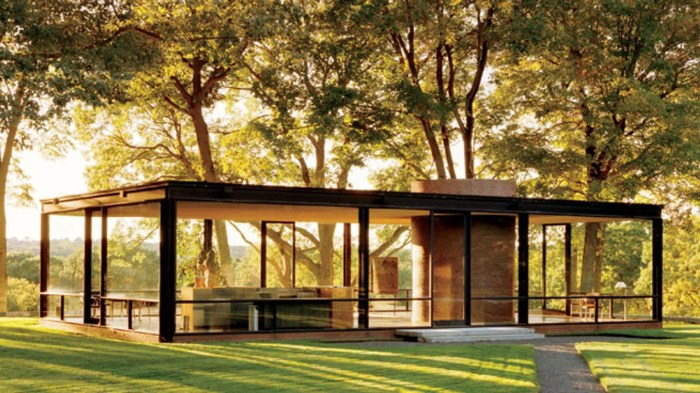
Philip Johnson’s iconic Glass House holds a significant place in the history of modern architecture. Let’s delve into the timeline of its creation and the architectural influences that shaped its design.
Timeline of The Glass House
- 1945: Philip Johnson purchased a 47-acre plot in New Canaan, Connecticut, where he would eventually build The Glass House.
- 1949-1995: Johnson worked on various structures on the property, with The Glass House being completed in 1949.
- 2007: The Glass House officially opened to the public as a museum, showcasing Johnson’s innovative design.
Architectural Influences
Philip Johnson drew inspiration from several architectural movements and architects in designing The Glass House. Some of the key influences include:
- Minimalism: The simplicity and transparency of The Glass House reflect the principles of minimalism.
- Bauhaus: Johnson’s design was influenced by the Bauhaus movement, emphasizing functionality and clean lines.
- Mies van der Rohe: The Glass House bears resemblance to the Farnsworth House by Mies van der Rohe, showcasing a similar use of glass and steel.
Significance in Modern Architecture
The Glass House is considered a pioneering work in modern architecture for several reasons:
- Innovative Use of Materials: Johnson’s use of glass and steel in a residential structure challenged traditional notions of architecture.
- Blurring Boundaries: The transparent design of The Glass House blurs the boundaries between indoor and outdoor spaces, creating a unique living experience.
- Influence on Future Architects: The Glass House has inspired countless architects and designers, shaping the future of modern architecture.
Architectural Design of The Glass House
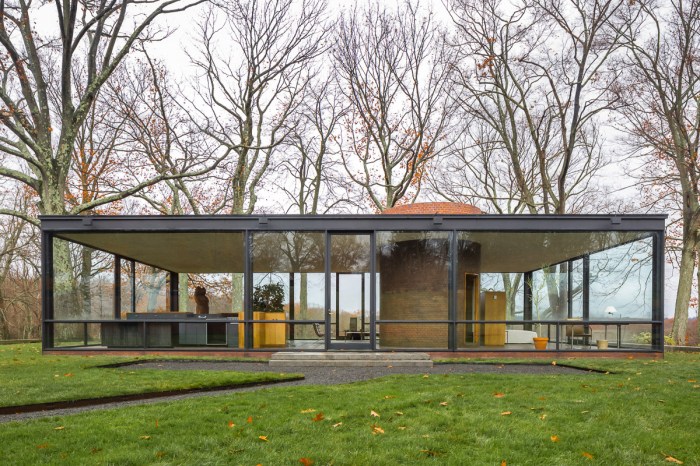
The Glass House, designed by Philip Johnson, is known for its innovative and iconic architectural design. The structure is a prime example of modernist architecture, characterized by its minimalistic and transparent nature.
Unique Features of The Glass House’s Design
The Glass House features walls made entirely of glass, creating a seamless connection between the interior and exterior spaces. The lack of traditional opaque walls allows natural light to flood the living space, blurring the lines between indoors and outdoors.
The open floor plan and minimalistic furnishings further enhance the sense of spaciousness and transparency.
Materials Used in the Construction
The Glass House is primarily constructed using steel and glass, with minimal use of other materials. The steel frame provides structural support while allowing for large expanses of glass walls. The glass walls themselves are essential to the design, creating a sense of lightness and transparency that is unique to the structure.
Comparison with Other Iconic Architectural Structures
When compared to other iconic architectural structures of its time, such as the Farnsworth House by Mies van der Rohe, The Glass House stands out for its bold use of glass as the primary building material. While both structures embrace minimalism and openness, The Glass House takes it a step further by fully embracing transparency and blurring the boundaries between inside and outside.
Functionality and Purpose of The Glass House
Living in a glass-walled house like The Glass House designed by Philip Johnson raises questions about functionality and practicality.
Practicality of Living in a Glass-Walled House
Living in a glass-walled house may offer stunning views and a seamless connection with nature, but it also poses challenges in terms of privacy, temperature control, and maintenance.
Interaction with Surroundings
The design of The Glass House allows for a unique interaction with its surroundings, blurring the boundaries between indoor and outdoor spaces. The transparent walls create a sense of openness and continuity with the natural environment.
Relationship between Interior and Exterior Spaces
- The Glass House’s layout and design emphasize the integration of interior and exterior spaces, creating a harmonious flow between the two.
- The minimalist interior decor complements the simplicity of the glass structure, enhancing the overall aesthetic appeal.
- The use of glass walls allows natural light to flood the interior, creating a bright and airy living environment.
Legacy and Influence of The Glass House
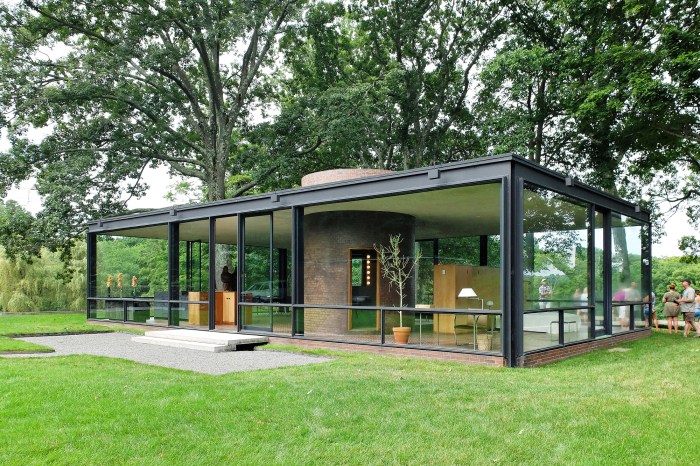
The Glass House, designed by Philip Johnson, has left a lasting legacy in the world of architecture, influencing contemporary design, inspiring other architects and designers, and holding cultural significance beyond its architectural value.
Impact on Contemporary Architecture
The Glass House revolutionized the concept of transparency and minimalism in architecture, setting a new standard for modern design. Its innovative use of glass and steel has been emulated in numerous contemporary structures, influencing the trend towards open, light-filled spaces.
Inspiration for Architects and Designers
Architects and designers around the world have drawn inspiration from The Glass House’s clean lines, seamless integration with nature, and bold aesthetic. Its timeless appeal continues to spark creativity and push the boundaries of architectural innovation.
Cultural Significance
Beyond its architectural significance, The Glass House has become a cultural landmark, symbolizing modernity, sophistication, and the merging of indoor and outdoor spaces. It serves as a testament to Philip Johnson’s vision and has become a source of inspiration for art, fashion, and design beyond the realm of architecture.
Wrap-Up
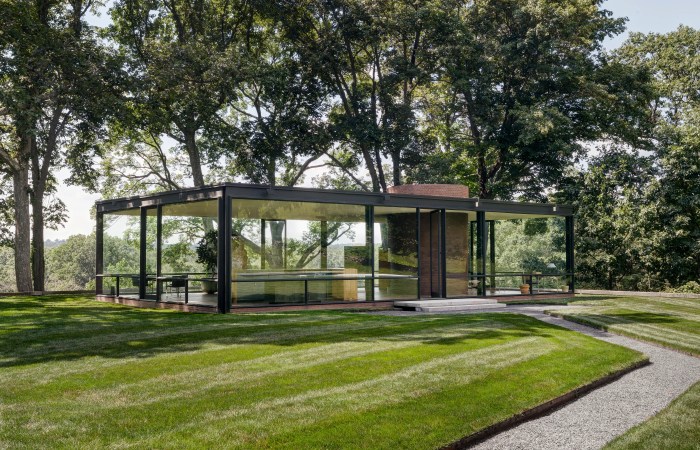
In conclusion, the Glass House Philip Johnson stands as a testament to the visionary genius of its creator, leaving an indelible mark on the architectural landscape. From its innovative design to its profound influence, this architectural marvel continues to inspire and captivate all who behold its transparent beauty.
Essential FAQs
Is the Glass House Philip Johnson open to the public?
Yes, the Glass House is open to the public for tours and visits, allowing enthusiasts to experience its architectural brilliance firsthand.
What makes the Glass House unique compared to other architectural structures?
The Glass House’s innovative use of glass and its seamless integration with nature set it apart, creating a harmonious blend of indoor and outdoor spaces.
How has the Glass House influenced contemporary architecture?
The Glass House has served as a source of inspiration for architects worldwide, shaping modern design principles and pushing boundaries in architectural innovation.
What is the cultural significance of the Glass House beyond its architectural value?
Beyond its architectural significance, the Glass House symbolizes a shift towards transparency and openness in design, reflecting broader societal changes and values.