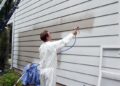
Embarking on the journey of painting metal siding on your house opens up a world of possibilities to enhance its curb appeal and protect it from the elements. From preparation to application techniques, this guide covers everything you need to know to achieve a professional finish that will stand the test of time.
Preparation for Painting Metal Siding
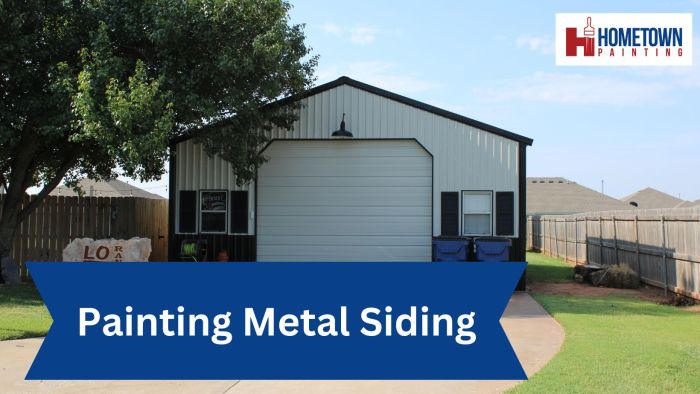
Before you start painting your metal siding, it’s crucial to properly prepare the surface to ensure a smooth and long-lasting finish. This involves gathering the necessary materials, cleaning the siding thoroughly, and prepping the surface for painting.
Materials Needed
- Pressure washer or garden hose
- Mild detergent or trisodium phosphate (TSP)
- Scrub brush or sponge
- Primer suitable for metal surfaces
- Exterior metal paint
- Paintbrushes or rollers
- Painter’s tape and drop cloths
- Sandpaper or wire brush
Importance of Cleaning Before Painting
Properly cleaning the metal siding is essential as it removes dirt, grime, and any existing paint that may affect the new paint’s adhesion. Failure to clean the surface thoroughly can result in peeling and chipping of the new paint.
Steps for Preparing the Surface
- Start by using a pressure washer or garden hose to rinse off any loose dirt and debris from the siding.
- Mix a solution of mild detergent or TSP with water and use a scrub brush or sponge to scrub the siding, working from top to bottom.
- Rinse the siding thoroughly to remove all traces of the cleaning solution.
- If there are areas with flaking paint, use sandpaper or a wire brush to smooth out the surface.
- Allow the siding to dry completely before applying a primer suitable for metal surfaces.
- Once the primer has dried, you can proceed to paint the metal siding with your chosen exterior paint, following the manufacturer’s instructions.
Choosing the Right Paint
When it comes to painting metal siding on your house, selecting the right type of paint is crucial to ensure a long-lasting finish that will protect the surface from the elements. Here, we will discuss the different types of paint suitable for metal siding, compare oil-based and latex-based paints for metal surfaces, and explain the importance of choosing a paint color that complements your house’s exterior.
Types of Paint Suitable for Metal Siding
- Acrylic Latex Paint: This type of paint is water-based, easy to clean up, and offers good durability and flexibility. It is a popular choice for metal siding due to its resistance to cracking and fading.
- Oil-Based Paint: Oil-based paints provide a durable and protective finish for metal surfaces. They are known for their ability to adhere well to metal and offer excellent rust protection.
Advantages of Oil-Based vs. Latex-Based Paints for Metal Surfaces
- Oil-Based Paint: Offers superior adhesion and durability, making it ideal for metal surfaces that are exposed to harsh weather conditions. It provides excellent rust protection and a glossy finish.
- Latex-Based Paint: Easy to clean up with water, dries quickly, and is less likely to yellow over time compared to oil-based paints. It is also more flexible and resistant to cracking.
Significance of Selecting a Paint Color that Complements the House’s Exterior
Choosing the right paint color for your metal siding is essential for enhancing the overall curb appeal of your home. The color should complement the existing exterior elements such as the roof, trim, and landscaping. Lighter colors can help reflect sunlight and reduce heat absorption, while darker colors can add depth and drama to the facade.
Consider the architectural style and surroundings of your house when selecting a paint color to create a harmonious and visually appealing look.
Application Techniques
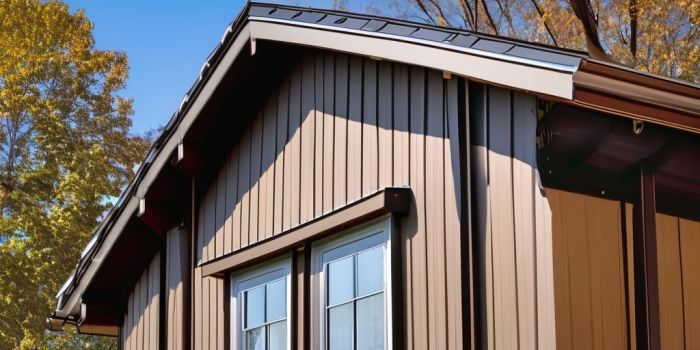
When it comes to painting metal siding, the application technique plays a crucial role in achieving a smooth and even finish. Here, we will discuss the best practices for applying paint to metal siding, including the use of brushes, rollers, or sprayers.
Brushes
Using a high-quality brush specifically designed for metal surfaces is essential for painting metal siding. Choose a brush with synthetic bristles that are durable and can handle the tough surface of the metal. When applying paint with a brush, make sure to use long, smooth strokes to prevent brush marks and ensure an even coat.
Rollers
Rollers are another effective tool for painting metal siding, especially for larger surface areas. Opt for a foam roller or a high-density roller cover to achieve a smooth finish. Roll the paint onto the metal siding in one direction, overlapping each pass slightly to avoid streaks or uneven coverage.
Sprayers
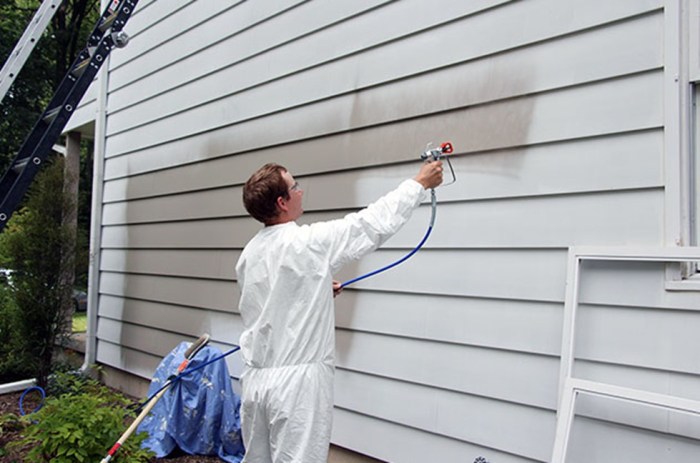
Sprayers are a quick and efficient way to paint metal siding, covering large areas in a short amount of time. When using a sprayer, make sure to adjust the nozzle for the right spray pattern and pressure to prevent overspray or uneven coating.
Keep the sprayer at a consistent distance from the surface to maintain an even application.
Tip: Whichever tool you choose, always work in small sections to ensure that the paint is applied evenly and to avoid drips or runs.
Maintenance and Longevity
Proper maintenance is essential to ensure the longevity of painted metal siding on your house. By following a few key steps, you can help protect your siding and keep it looking fresh for years to come.
Addressing Chipping, Peeling, or Fading Paint
- Regularly inspect the metal siding for any signs of chipping, peeling, or fading paint. Address these issues promptly to prevent further damage.
- For small areas of chipping or peeling paint, lightly sand the affected area to smooth out any rough edges. Then, apply a touch-up coat of paint to blend it seamlessly with the rest of the siding.
- If the paint is fading unevenly, consider repainting the entire section of siding to ensure a consistent finish.
Protecting Freshly Painted Metal Siding
- Allow the freshly painted metal siding to cure completely before exposing it to harsh elements. Follow the manufacturer’s guidelines for drying times.
- Apply a clear coat of protective sealant over the paint to provide an additional layer of defense against UV rays, moisture, and other environmental factors.
- Regularly clean the metal siding with a mild detergent and water solution to remove dirt and debris that can contribute to paint deterioration.
Ending Remarks
In conclusion, painting metal siding on your house is a rewarding project that can elevate the aesthetic appeal and durability of your home. By following the tips and techniques Artikeld in this guide, you can ensure a job well done that will last for years to come.
Commonly Asked Questions
What materials are needed for painting metal siding?
Common materials include primer, paint, brushes, rollers, and cleaning solutions.
How can I address chipping or peeling paint on metal siding?
To fix chipping or peeling paint, sand the affected area, apply primer, and repaint the surface.
Which paint type is better for metal siding, oil-based or latex-based?
Oil-based paints offer better adhesion and durability, while latex-based paints are easier to clean up and have less odor.
How do I achieve a smooth finish when painting metal siding?
Ensure proper surface preparation, use quality tools, and apply thin, even coats of paint to achieve a smooth finish.
How can I protect freshly painted metal siding from the elements?
Allow the paint to cure fully before exposing it to harsh weather conditions and consider applying a clear coat for added protection.