Embark on a journey through the world of office room design, where the perfect balance between aesthetics and functionality is key to creating a productive workspace that inspires creativity and boosts morale. As we delve into the nuances of lighting, layout, and furniture selection, discover how these elements can shape the way we work and interact within the office environment.
Explore the latest trends in modern office design and gain insights on optimizing your workspace to enhance employee well-being and productivity. Join us as we uncover the secrets to crafting an office room that not only reflects your company’s culture but also fosters collaboration and innovation.
Importance of Office Room Design
Creating a well-designed office space is essential for enhancing productivity and overall work efficiency.
Impact on Employee Morale and Engagement
- A well-designed office room can boost employee morale by creating a pleasant and inspiring work environment.
- Proper lighting, comfortable furniture, and a layout that promotes collaboration can increase employee engagement and satisfaction.
- Colors and decor choices can also affect mood and motivation, influencing how employees feel while working.
Balancing Aesthetics with Functionality
- It is crucial to strike a balance between aesthetics and functionality in office design to create a space that is visually appealing as well as practical.
- Functional furniture arrangements, storage solutions, and ergonomic design elements can improve workflow and efficiency.
- An aesthetically pleasing environment can also leave a positive impression on clients and visitors, reflecting professionalism and attention to detail.
Factors to Consider in Office Room Design
When designing an office room, several key factors need to be taken into consideration to create a productive and comfortable workspace. Factors such as lighting, layout, color schemes, furniture selection, ergonomics, and technology integration play crucial roles in the overall design of an office room.
Lighting
Proper lighting is essential in an office room to prevent eye strain and fatigue. Natural light is preferred, but if not available, artificial lighting should be adjustable to suit different tasks and preferences.
Layout
The layout of an office room should promote movement and collaboration among employees. It should also consider the placement of desks, meeting areas, and storage spaces to optimize workflow and productivity.
Color Schemes
Color schemes can greatly impact the mood and productivity of employees. Calming colors like blues and greens can promote focus, while vibrant colors can inspire creativity. It is essential to choose colors that reflect the company’s brand and culture.
Furniture Selection
Choosing ergonomic furniture is crucial in maintaining the health and well-being of employees. Adjustable chairs, standing desks, and proper keyboard and monitor placement can prevent musculoskeletal issues and improve comfort.
Technology Integration
Integrating technology into the design of an office room can enhance communication, collaboration, and efficiency. Features like smart lighting, video conferencing capabilities, and wireless charging stations can streamline work processes and create a modern work environment.
Trends in Modern Office Room Design
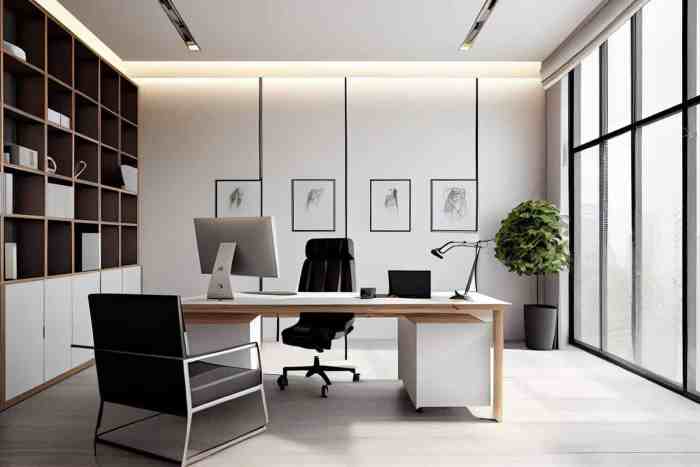
In the ever-evolving landscape of office room design, several trends have emerged to cater to the changing needs and preferences of modern workers. These trends not only focus on aesthetics but also prioritize functionality, employee well-being, and sustainability.
Open Floor Plans
Open floor plans have become increasingly popular in modern office design, promoting collaboration and communication among employees. By removing physical barriers such as walls and cubicles, open layouts create a more inclusive and flexible work environment.
Biophilic Design
Biophilic design integrates elements of nature into the office space, such as natural light, greenery, and natural materials. This design approach has been shown to reduce stress, increase productivity, and improve overall well-being among employees.
Flexible Workspaces
Flexible workspaces accommodate the diverse work styles and preferences of employees, allowing them to choose where and how they work. This trend includes hot-desking, co-working spaces, and movable furniture, enabling employees to adapt their work environment to suit their needs.
Sustainable and Eco-Friendly Designs
There is a growing emphasis on sustainability in office room design, with a focus on using environmentally friendly materials, energy-efficient systems, and waste reduction strategies. Incorporating sustainable practices not only benefits the environment but also enhances the company’s reputation and employee satisfaction.
Wellness Features
Office designs now prioritize employee wellness by incorporating features such as standing desks, ergonomic furniture, relaxation areas, and spaces for physical activity. These wellness-focused elements aim to promote health, comfort, and productivity among employees.
Tips for Optimizing Office Room Design
When it comes to maximizing the functionality and aesthetics of your office room design, there are several key tips to keep in mind. From maximizing natural light to creating collaborative spaces, here are some strategies to enhance your workspace.
Maximizing Natural Light and Creating a Clutter-free Workspace
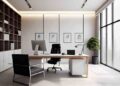
One of the most important factors in office room design is the incorporation of natural light. Natural light not only helps reduce energy costs but also promotes a healthy and productive work environment. To optimize natural light, consider positioning workstations near windows, using light-colored furniture and walls, and minimizing obstructions that block light flow.
Additionally, maintaining a clutter-free workspace can help create a sense of openness and organization. Implementing storage solutions, such as shelves and cabinets, can help keep clutter at bay and enhance the overall aesthetics of the office room.
Incorporating Collaborative Areas and Private Zones
A well-designed office room should include a balance of collaborative areas and private zones to accommodate different work styles and tasks. Collaborative areas, such as meeting rooms or open workspaces, promote teamwork and creativity, while private zones, like individual offices or quiet corners, allow for focused work and privacy when needed.
By incorporating both types of spaces, you can create a versatile and dynamic work environment that caters to the diverse needs of your team.
Incorporating Branding Elements and Company Culture
Integrating branding elements and company culture into your office room design can help reinforce your brand identity and create a sense of belonging among employees. Consider incorporating your company’s logo, colors, and values into the design through artwork, signage, or custom furniture.
Additionally, creating spaces that reflect your company culture, such as a lounge area with a coffee bar or a wellness room for relaxation, can enhance employee engagement and satisfaction. By infusing your office room design with elements that represent your brand and culture, you can create a unique and inspiring workspace that resonates with your team.
Final Thoughts
In conclusion, office room design goes beyond mere aesthetics; it is a strategic tool that can drive employee engagement, creativity, and overall satisfaction. By understanding the importance of creating a workspace that prioritizes both form and function, companies can set the stage for success and growth in today’s dynamic business landscape.
Query Resolution
How does office room design impact employee productivity?
Office room design can significantly influence employee productivity by creating a space that is conducive to focus, collaboration, and overall well-being.
What are some key factors to consider in office room design?
Key factors include lighting, layout, color schemes, furniture selection, ergonomics, and technology integration.
What are some popular trends in modern office room design?
Current trends include open floor plans, biophilic design, flexible workspaces, sustainable and eco-friendly designs, and wellness features like standing desks.
How can branding elements be incorporated into office room design?
Branding elements can be integrated through color schemes, logo displays, and design elements that reflect the company’s identity and values.