New windows for home offer a unique opportunity to enhance both the aesthetics and functionality of your living space. From different types and materials to design options and energy efficiency, this comprehensive guide will walk you through everything you need to know before making a decision.
Types of New Windows
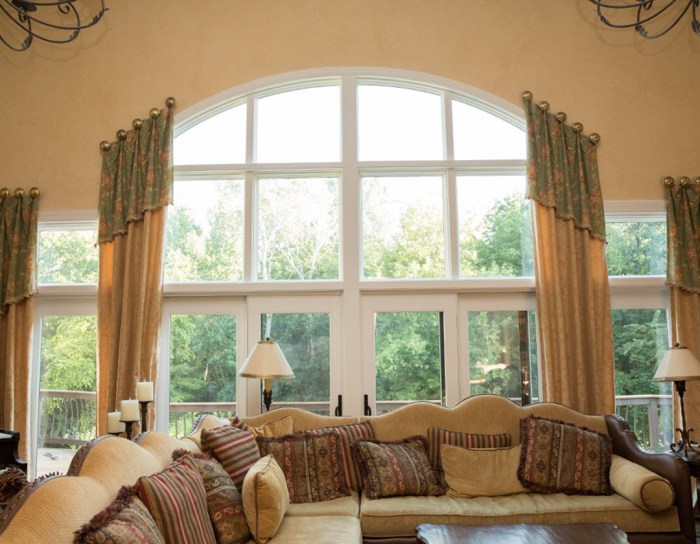
When considering new windows for your home, there are various types to choose from, each with its own unique features and benefits. The most common types include double-hung, casement, and bay windows. Let’s explore the differences and advantages of each in terms of energy efficiency and aesthetics.
Double-Hung Windows
Double-hung windows are a classic choice for many homes. They consist of two vertically sliding sashes that can be opened from both the top and bottom. These windows are versatile and provide excellent ventilation control. In terms of energy efficiency, double-hung windows can offer good insulation when properly sealed.
They are also easy to clean and maintain, making them a practical option for many homeowners.
Casement Windows
Casement windows are hinged on one side and open outward with a crank mechanism. These windows provide unobstructed views and excellent airflow when fully opened. Due to their design, casement windows offer a tight seal when closed, making them highly energy-efficient.
They are also known for their security features, as the crank mechanism makes them difficult to force open from the outside. Casement windows are a popular choice for modern homes seeking both functionality and style.
Bay Windows
Bay windows protrude outward from the exterior wall, creating a cozy nook inside the home. These windows typically consist of a large center window flanked by smaller windows on each side. Bay windows allow ample natural light to enter the room and provide a panoramic view of the outdoors.
While bay windows may not be as energy-efficient as double-hung or casement windows, they add a touch of elegance and architectural interest to any home. Their unique design can enhance the aesthetic appeal of a room and create a focal point for interior decor.
Materials for New Windows
When choosing new windows for your home, one of the key decisions you’ll need to make is the type of material used. Different materials offer varying levels of durability, maintenance requirements, and aesthetic appeal. Let’s explore some popular options:
Vinyl Windows
Vinyl windows are a cost-effective choice known for their durability and energy efficiency. They are low-maintenance, requiring only occasional cleaning with soap and water. Vinyl windows come in a variety of colors and styles, making them a versatile option for different home designs.
Wood Windows
Wood windows provide a classic, timeless look that can enhance the overall aesthetic of a home. While they offer excellent insulation properties, wood windows require regular maintenance to prevent warping or rotting. Staining or painting may be necessary to protect the wood from the elements.
Aluminum Windows
Aluminum windows are lightweight and strong, making them a popular choice for modern homes. They are resistant to rust and corrosion, requiring minimal maintenance. However, aluminum is not as energy-efficient as other materials and may conduct heat, impacting the home’s insulation.
Fiberglass Windows
Fiberglass windows are a durable option that can withstand extreme weather conditions. They offer excellent insulation properties, helping to reduce energy costs. Fiberglass windows are low-maintenance and can be painted to match the home’s exterior. Overall, they provide a sleek and modern look to any property.
Window Design and Styles
When it comes to choosing new windows for your home, the design and style play a crucial role in enhancing the overall aesthetic appeal of your property. Whether you prefer a modern, traditional, or custom design, there are various options available to suit your preferences and complement your home’s architectural style.
Modern Window Designs
- Minimalist frames and clean lines
- Larger glass panes for maximum natural light
- Sleek hardware and finishes
Traditional Window Designs
- Detailed grids or muntins for a classic look
- Wood frames for a warm and inviting feel
- Double-hung or casement styles for a timeless appeal
Custom Window Designs
- Unique shapes and sizes tailored to your preferences
- Personalized features such as stained glass or decorative accents
- Mixing different design elements for a one-of-a-kind look
Choosing the right window design is essential to enhance the curb appeal of your home. Consider the architectural style of your property and opt for a design that complements it seamlessly. Whether you have a modern, farmhouse, colonial, or any other style of home, there is a window design that can elevate its overall look and feel.
Installation Process
When it comes to installing new windows in a home, the process can vary depending on whether you choose to hire professionals or opt for a DIY approach. Proper measurements and sealing are crucial steps in ensuring the windows are installed correctly to maximize energy efficiency and overall performance.
Professional Installation
- Professionals have the expertise and experience to accurately measure and install windows, ensuring a proper fit and seal.
- They can identify any potential issues during the installation process and address them promptly to prevent future problems.
- Professional installation often comes with a warranty, providing peace of mind in case any issues arise after the installation.
DIY Installation
- DIY installation can be cost-effective for those with the necessary skills and tools to complete the installation themselves.
- It allows homeowners to take control of the installation process and potentially save on labor costs.
- However, improper measurements or sealing during DIY installation can lead to air leaks, drafts, and other issues that may affect the efficiency of the windows.
Energy Efficiency and Cost Savings
Upgrading to new windows can significantly improve the energy efficiency of a home, resulting in lower utility bills and a more comfortable living environment.
Energy-Efficient Features
Energy-efficient windows often come equipped with features like Low-E coatings and multi-pane glass, which help to reduce heat transfer and improve insulation.
- Low-E Coatings: These coatings are designed to reflect infrared light, keeping heat inside during the winter and outside during the summer.
- Multi-pane Glass: Double or triple-pane windows create an extra barrier against heat transfer, reducing energy loss and improving insulation.
Cost Savings
By investing in energy-efficient windows, homeowners can experience significant cost savings over time.
- Lower Utility Bills: Improved insulation and reduced heat transfer can lead to lower heating and cooling costs throughout the year.
- Long-Term Savings: While the initial investment in energy-efficient windows may be higher, the long-term savings on energy bills can result in a positive return on investment.
End of Discussion
In conclusion, upgrading to new windows for your home is not just a practical investment but also a way to elevate the overall look and feel of your property. With the right choice of windows, you can enjoy improved energy efficiency, enhanced curb appeal, and lasting durability for years to come.
FAQ Insights
What are the benefits of choosing vinyl windows for my home?
Answer: Vinyl windows are known for their low maintenance, excellent energy efficiency, and affordability compared to other materials.
How can I determine the right window design for my home?
Answer: Consider the architectural style of your home and choose a window design that complements it to enhance the overall aesthetics.
Is DIY window installation recommended for beginners?
Answer: While some may opt for a DIY approach, it’s often best to hire professionals to ensure proper measurements and sealing for optimal results.