Delve into the rich tapestry of local architecture, where history, culture, and innovation intertwine to create structures that stand as testaments to heritage and creativity. From ancient traditions to contemporary adaptations, the journey through local architecture promises a fascinating exploration of human ingenuity and artistic expression.
Historical Significance of Local Architecture
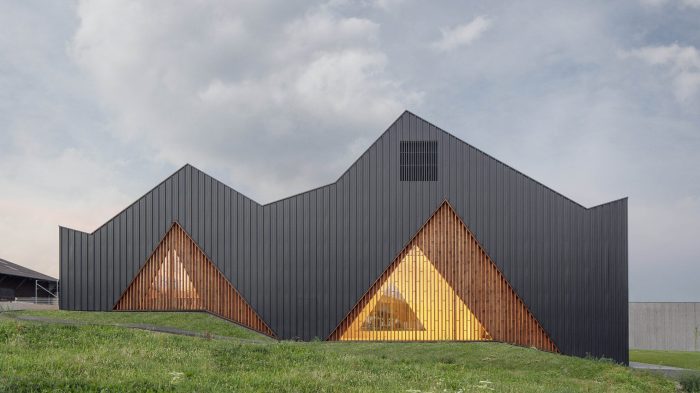
Local architecture holds a deep historical significance, reflecting the evolution of cultural traditions and values over time. The roots of local architecture are often intertwined with historical events and influences that have shaped the built environment in unique ways.
Historical Roots and Influences
Local architecture is heavily influenced by various factors such as geographical location, climate, available materials, and the cultural practices of the community. For example, regions with a history of volcanic activity may have architecture characterized by the use of volcanic rock for construction.
Similarly, coastal areas often feature architecture designed to withstand harsh weather conditions like hurricanes or typhoons.
Cultural Traditions and Values
The architectural styles found in a particular region often reflect the cultural traditions and values of the community. For instance, traditional Japanese architecture emphasizes simplicity, harmony with nature, and the use of natural materials like wood and paper. In contrast, the ornate and colorful architecture of India reflects the country’s rich cultural heritage and diverse religious influences.
Impact of Historical Events
Historical events such as wars, colonization, or industrialization have had a significant impact on the evolution of local architectural styles. For example, the British colonization of India led to the fusion of Indian and British architectural elements, resulting in a unique style known as Indo-Saracenic architecture.
Similarly, the devastation of World War II in Europe paved the way for the emergence of modernist architecture characterized by simplicity and functionality.
Unique Characteristics of Local Architecture
Local architecture is often defined by distinctive elements that reflect the culture, history, and environment of a specific region. These unique characteristics contribute to the identity of a place and set it apart from others.
Distinctive Elements of Local Architectural Styles
Local architectural styles are often characterized by specific features that are unique to the region. For example, in the Mediterranean region, buildings may feature whitewashed walls, flat roofs, and colorful tiles. In contrast, Scandinavian architecture is known for its use of natural materials like wood and large windows to maximize natural light.
Materials Commonly Used in Local Architecture
The choice of materials in local architecture is often influenced by the availability and climate of the region. For instance, in desert regions, adobe or mud bricks are commonly used due to their ability to regulate temperature. In coastal areas, materials like timber and stone are popular for their durability against harsh weather conditions.
Significance of Climate and Geography in Design
Climate and geography play a crucial role in shaping the design of local buildings. For example, in areas with heavy rainfall, sloped roofs are often used to prevent water accumulation. Similarly, buildings in earthquake-prone regions are designed with flexible structures to withstand seismic activity.
Preservation and Conservation Efforts
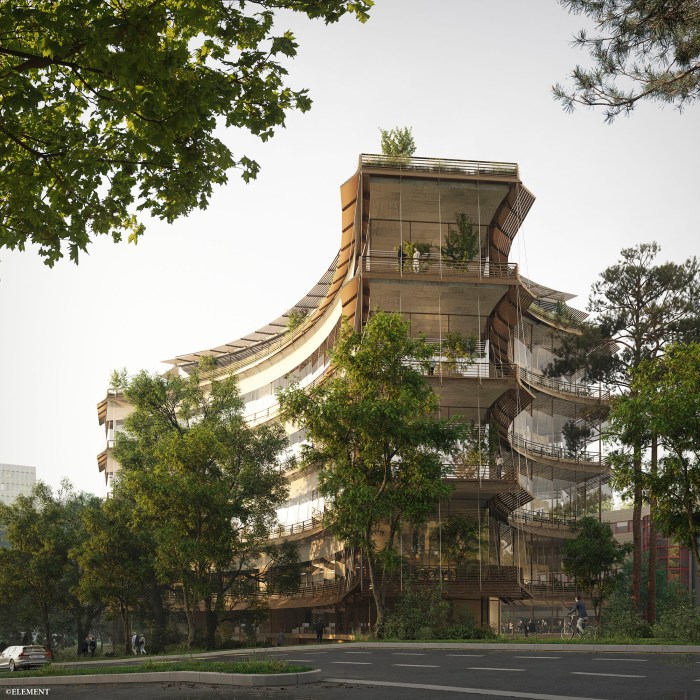
In order to preserve the local architectural heritage, various initiatives and strategies have been implemented to protect these valuable landmarks from deterioration or destruction.
Community Involvement
Communities play a vital role in safeguarding local architectural landmarks by raising awareness, organizing preservation events, and advocating for the protection of these historical buildings. By involving the local residents, a sense of ownership and pride is instilled, leading to better conservation efforts.
Government Support
Governments also play a crucial role in conservation efforts by enacting laws and regulations to protect historical buildings. Funding is provided for restoration projects, and incentives are given to property owners to maintain the authenticity of the architecture. Collaboration between government agencies and local communities is essential for the successful preservation of local architectural heritage.
Challenges in Maintaining Authenticity
One of the main challenges faced in preserving local architecture is balancing modernization with heritage conservation. As cities develop and grow, there is often pressure to demolish old buildings to make way for new infrastructure. Finding a middle ground that allows for progress while preserving the unique characteristics of local architecture is a delicate balance that requires careful planning and consideration.
Contemporary Adaptations of Local Architecture
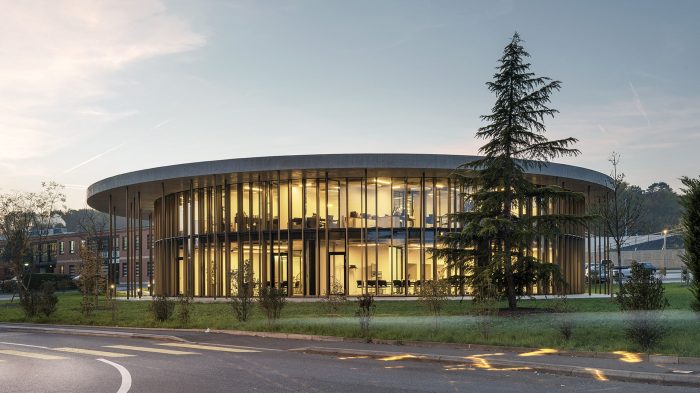
As cities evolve and grow, the need to adapt traditional architectural styles to modern requirements becomes essential. Contemporary adaptations of local architecture aim to combine the rich history and cultural significance of traditional designs with the functionality and aesthetics demanded by today’s society.
Integration of Local Elements in Modern Buildings
Many architects around the world have successfully integrated local elements into contemporary architecture, creating a harmonious blend of the past and present. By incorporating traditional materials, design motifs, and building techniques, these buildings pay homage to their cultural roots while embracing modernity.
- Example 1: The use of traditional Moroccan tiles in a modern office building in Casablanca not only adds a unique aesthetic touch but also reflects the region’s heritage.
- Example 2: A residential complex in Singapore incorporates Peranakan architectural features, such as intricate wooden carvings and vibrant color schemes, to create a modern yet culturally rich living space.
- Example 3: A museum in Mexico City seamlessly blends ancient Mayan architectural elements with contemporary design principles, providing visitors with a captivating journey through time.
Preserving Local Identity in a Global Context
The challenge lies in striking a balance between preserving local identity and embracing global architectural trends. While it is crucial to honor the history and traditions embedded in local architecture, architects also need to cater to the demands of a globalized world where innovation and sustainability play key roles.
- Architects often achieve this balance by incorporating sustainable building practices, such as green roofs or passive heating systems, while still maintaining the essence of traditional designs.
- By engaging with local communities and understanding their needs, architects can create buildings that not only reflect the cultural heritage of a place but also contribute to its sustainable development.
Outcome Summary
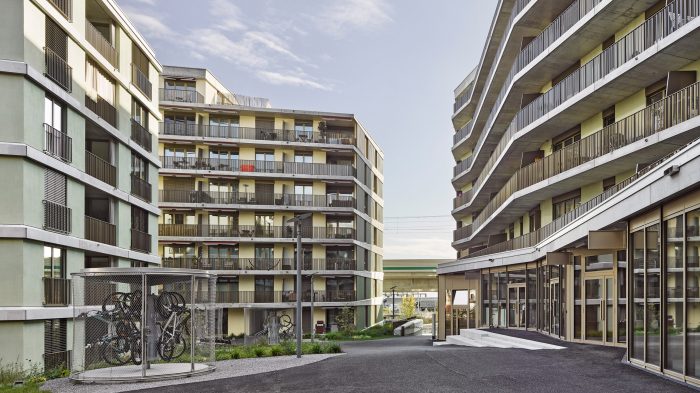
In the tapestry of local architecture, each building weaves a story of the past, present, and future. As we strive to preserve the legacy of our architectural heritage, let us embrace the evolution and transformation that define the essence of local architecture.
Common Queries
How do historical events influence local architectural styles?
Historical events such as wars, colonization, or cultural exchanges often shape local architecture by introducing new influences, materials, or design elements.
What are some common challenges in preserving local architectural landmarks?
Challenges in preservation include funding constraints, lack of public awareness, and conflicts between development needs and heritage conservation.
How do architects balance traditional elements with modern design in local architecture?
Architects achieve this balance by incorporating traditional elements like materials, forms, or cultural motifs into contemporary structures while adapting them to modern needs and aesthetics.