

Delve into the world of hotel architecture, where every structure tells a unique story of design and functionality. From the grandeur of luxury hotels to the quaint charm of boutique establishments, the architectural features play a crucial role in shaping the guest experience.
Let's unravel the intricate details and innovative solutions that define hotel architecture.
As we navigate through the realms of architectural design in hotels, we will uncover the fusion of aesthetics and practicality that creates a harmonious environment for visitors.
Elements of Hotel Architecture
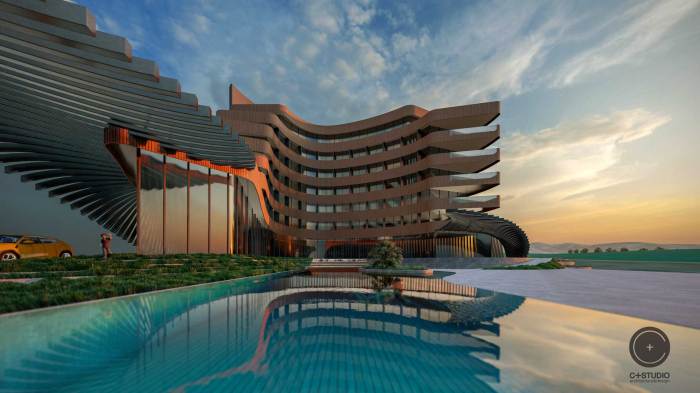
Hotel architecture plays a crucial role in shaping the overall guest experience. From luxury resorts to budget accommodations, each type of hotel incorporates unique architectural features to create a welcoming atmosphere for visitors.
Key Architectural Features
- Grand Entrance: Many hotels feature a grand entrance with a spacious lobby, impressive chandeliers, and luxurious furnishings to make a strong first impression on guests.
- Atriums and Courtyards: Some hotels incorporate atriums or courtyards to bring natural light into the building, creating a serene and open ambiance.
- Unique Facades: Architectural styles like Art Deco, Modern, or Traditional are often used to design the exterior facade of hotels, reflecting the overall theme and branding.
- Rooftop Terraces: Luxury hotels may have rooftop terraces with stunning views, outdoor seating, and sometimes even pools or bars for guests to enjoy.
Importance of Architectural Design
The architectural design of a hotel sets the tone for the guest experience by influencing the overall ambiance, functionality, and comfort of the property. A well-designed hotel creates a sense of luxury, relaxation, and sophistication, making guests feel welcomed and valued.
Architectural Styles in Different Types of Hotels
Architectural styles vary widely among different types of hotels, catering to diverse guest preferences and budgets:
- Luxury Hotels:Luxury hotels often feature opulent architectural designs, high-end materials, and intricate details to provide a lavish and exclusive experience for guests.
- Boutique Hotels:Boutique hotels focus on unique, stylish, and intimate architectural designs that reflect the individuality and charm of the property, creating a personalized stay for guests.
- Budget Hotels:Budget hotels prioritize functional and cost-effective architectural solutions, emphasizing practicality, efficiency, and affordability without compromising on comfort.
Functionality and Design
Hotel architecture plays a crucial role in balancing aesthetic appeal with functionality. Architects must consider not only the visual aspects of the building but also how it will accommodate the needs and comfort of the guests.Innovative design solutions in hotel architecture are constantly evolving to enhance the guest experience.
For example, the use of modular construction techniques allows for faster and more efficient building processes, ultimately reducing construction time and costs. This can lead to more unique and customized hotel designs that cater to different guest preferences.Architects are also incorporating sustainability and eco-friendly practices into hotel designs.
Features such as green roofs, solar panels, and energy-efficient HVAC systems help reduce the environmental impact of hotels while also providing cost savings in the long run. By using recycled materials and designing for energy efficiency, architects can create sustainable hotel buildings that align with modern environmental standards.
Cultural Influences on Hotel Architecture
Cultural heritage and local traditions play a significant role in shaping the design of hotels around the world. Architects often draw inspiration from the rich history and customs of a particular region to create unique and authentic hotel experiences. Incorporating cultural elements into modern hotel architecture not only adds character and charm but also helps in creating a sense of place for guests.
Influence of Cultural Heritage and Local Traditions
In different regions, the architecture of hotels is deeply influenced by the cultural heritage and local traditions prevalent in that area. For example, hotels in countries like Morocco often feature intricate tile work, ornate arches, and traditional courtyard designs inspired by Islamic architecture.
In contrast, hotels in Japan may incorporate elements such as sliding doors, tatami mat flooring, and minimalist aesthetics reflective of Japanese design principles.
Incorporating Cultural Elements into Modern Hotel Architecture
Architects today are finding innovative ways to blend traditional cultural elements with modern design concepts in hotel architecture. This fusion creates a harmonious balance between the past and the present, offering guests a one-of-a-kind experience. From using locally sourced materials to integrating indigenous art and craftsmanship, architects strive to celebrate the unique cultural identity of a place through their designs.
Significance of Cultural Sensitivity in Hotel Architecture
Maintaining cultural sensitivity in hotel architecture is crucial to establishing a genuine connection with the surrounding environment and community. By respecting and honoring local customs, traditions, and aesthetics, architects can design hotels that not only stand out aesthetically but also resonate with guests on a deeper level.
This approach helps in fostering a sense of belonging and appreciation for the cultural heritage of a destination.
Technology and Hotel Architecture
In modern times, technology plays a crucial role in shaping the architectural design of hotels. From smart systems to sustainable solutions, the integration of technology has revolutionized the way hotels are built and operated.
Integration of Technology in Architectural Design
Technology is seamlessly integrated into the architectural design of modern hotels through the use of smart systems such as automated lighting, temperature control, and security features. These technologies not only enhance the guest experience but also improve operational efficiency for hotel staff.
Impact of Smart Technologies on Guest Comfort and Convenience
Smart technologies have a significant impact on enhancing guest comfort and convenience in hotel architecture. For example, guests can control room settings through their smartphones, access keyless entry systems, and enjoy personalized services through AI-powered chatbots. These advancements contribute to a more seamless and enjoyable stay for guests.
Futuristic Trends in Hotel Architecture
Looking ahead, futuristic trends in hotel architecture are closely tied to technological advancements. Concepts like augmented reality for virtual tours, robot concierges for personalized service, and sustainable building materials for eco-friendly designs are expected to shape the future of hotel architecture.
These innovative technologies are set to redefine the guest experience and set new standards for the hospitality industry.
Closure
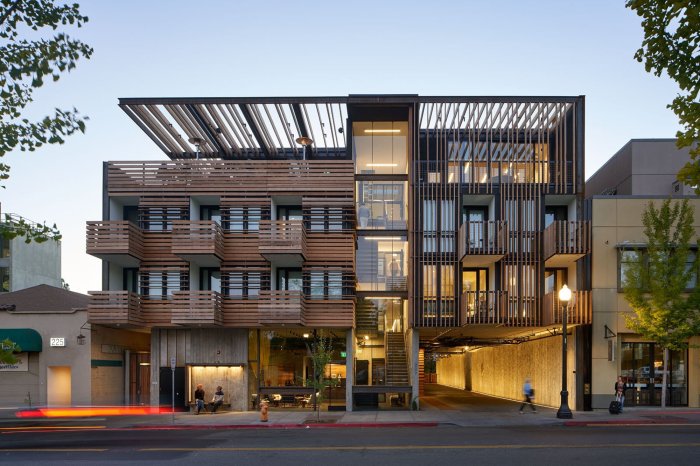
In conclusion, hotel architecture is not just about buildings; it's a reflection of cultural influences, technological advancements, and sustainability practices. The blend of tradition and modernity in architectural design sets the stage for unforgettable guest experiences.
Question Bank
How do architects incorporate sustainability into hotel designs?
Architects integrate sustainability by using eco-friendly materials, energy-efficient systems, and designing for minimal environmental impact.
What role do cultural influences play in hotel architecture?
Cultural influences shape the design elements, aesthetics, and overall ambiance of hotels, reflecting the heritage and traditions of the region.
Why is it important for hotels to balance aesthetic appeal with functionality in architecture?
Balancing aesthetics with functionality ensures that guests not only enjoy the visual appeal of the hotel but also experience comfort and convenience during their stay.