Embark on a journey through the world of hardie siding houses, where durability meets style in the realm of residential construction.
Discover the versatility and charm that Hardie siding brings to homes, making it a popular choice among homeowners and builders alike.
Overview of Hardie Siding Houses
Hardie siding, also known as fiber cement siding, is a durable and low-maintenance material commonly used in residential construction. It is made from a mixture of cement, sand, and cellulose fibers, offering a sturdy alternative to traditional wood or vinyl siding.
Types of Hardie Siding
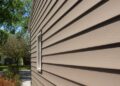
- HardiePlank Lap Siding: Horizontal boards that mimic the look of wood.
- HardiePanel Vertical Siding: Vertical boards for a modern aesthetic.
- HardieShingle Siding: Resembles the look of cedar shingles.
Popular Color Options
- Arctic White: A classic and versatile choice for a clean look.
- Cobble Stone: A warm, earthy tone that adds character to a home.
- Iron Gray: A contemporary color that complements modern architecture.
Installation Process
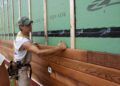
Installing Hardie siding on houses requires a specific process to ensure durability and aesthetic appeal. Let’s go through the step-by-step guide on how Hardie siding is installed, the tools and materials needed, and how it compares to traditional siding materials like vinyl or wood.
Step-by-step Guide for Hardie Siding Installation
- Prepare the surface by removing any existing siding and ensuring a clean, smooth foundation.
- Measure and cut the Hardie siding panels to fit the dimensions of the house.
- Install flashing around windows, doors, and corners to prevent water damage.
- Secure the siding panels to the house using the appropriate nails or screws.
- Overlap the panels to create a seamless look and ensure proper water drainage.
- Finish the installation by caulking joints and painting the siding to your desired color.
Tools and Materials Needed
- Hardie siding panels
- Flashing
- Nails or screws
- Caulk
- Paint
- Saw for cutting panels
- Hammer or screwdriver
Comparison with Traditional Siding Materials
Installing Hardie siding may require more specialized tools and materials compared to traditional siding materials like vinyl or wood. However, Hardie siding offers greater durability and resistance to elements, making it a popular choice for homeowners looking for long-lasting siding options.
Maintenance and Care
Proper maintenance and care are essential to ensure the longevity of Hardie siding on your house.
Cleaning Hardie Siding
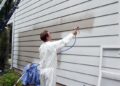
- Regularly clean Hardie siding with a mixture of water and mild soap using a soft brush or cloth to remove dirt and grime.
- Avoid using high-pressure washers as they can damage the siding by forcing water behind it.
- Rinse thoroughly with clean water after cleaning to prevent soap residue buildup.
- Inspect for any mold or mildew growth and treat with a solution of water and bleach as needed.
Inspection and Repair
- Periodically inspect Hardie siding for any signs of damage, such as cracks, chips, or peeling paint.
- Address any issues promptly to prevent further damage to the siding.
- Use a high-quality acrylic caulk to fill in cracks and gaps in the siding.
- Repaint any areas where the paint has started to peel to maintain the protective coating.
Durability and Weather Resistance
Hardie siding is known for its exceptional durability and weather resistance, making it a popular choice for homeowners looking for long-lasting exterior siding. One of the key factors that contribute to the durability of Hardie siding is its composition of fiber cement, which is a blend of cement, sand, and cellulose fibers.
This combination creates a strong and sturdy material that can withstand various weather conditions without warping, cracking, or rotting.
Extreme Weather Scenarios
In extreme weather scenarios such as hurricanes, tornadoes, and hailstorms, Hardie siding has proven to be resilient and reliable. Homeowners in areas prone to such severe weather events have reported that their Hardie siding remained intact and protected their homes from damage, unlike other siding materials that may have cracked or broken under similar conditions.
Comparison with Other Siding Materials
When compared to other common siding materials like vinyl, wood, or aluminum, Hardie siding stands out for its superior weather resistance. While vinyl siding may warp or melt in extreme heat, and wood siding is susceptible to rot and insect damage, Hardie siding maintains its integrity and appearance even in harsh climates.
Its ability to resist moisture, heat, cold, and impact makes it a top choice for homeowners seeking a durable and long-lasting siding option.
Conclusion
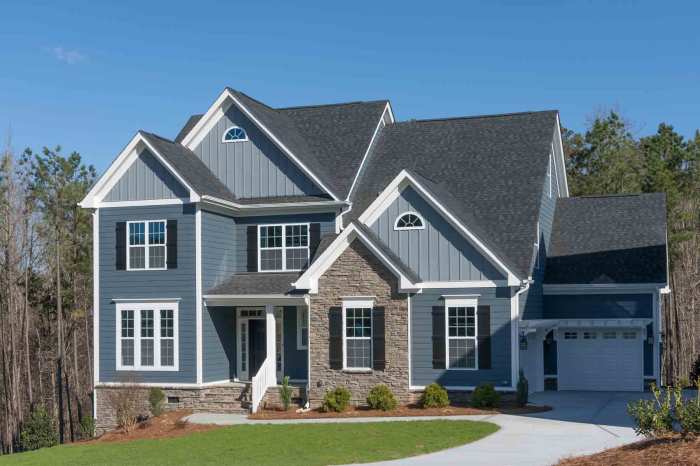
In conclusion, hardie siding houses offer a perfect blend of strength, aesthetics, and longevity, making them a top contender in the realm of modern housing. Dive into the world of Hardie siding and elevate your home’s exterior with this exceptional choice.
Questions Often Asked
What are the main benefits of Hardie siding houses?
Hardie siding offers durability, resistance to weather elements, and a wide range of color options for homeowners.
How do you clean Hardie siding effectively?
To clean Hardie siding, use a soft brush or cloth with mild soap and water, avoiding abrasive materials that can damage the surface.
Is Hardie siding maintenance-intensive?
While Hardie siding requires minimal maintenance, regular inspections and cleaning can help prolong its lifespan and appearance.