Delving into the cost to vinyl side a house per square foot, this introduction immerses readers in a unique and compelling narrative. It provides a detailed overview of the factors influencing pricing, average cost estimates, labor costs, and material costs, offering readers a comprehensive understanding of the topic.
Factors Affecting Cost
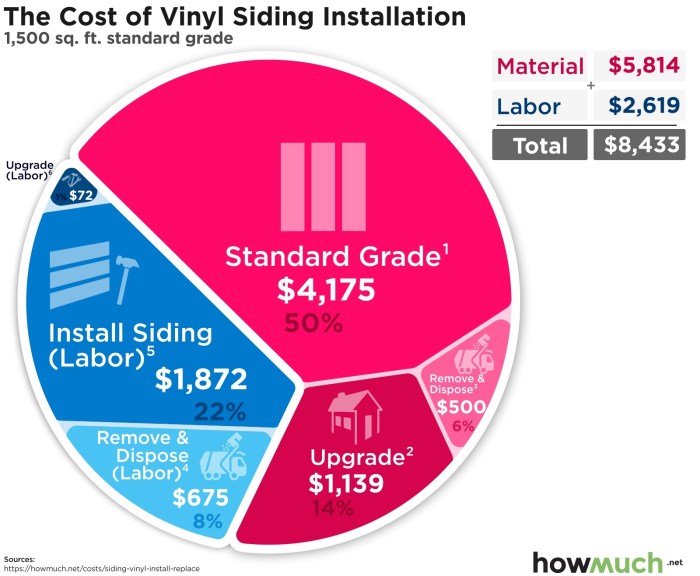
When determining the cost of vinyl siding per square foot, several factors come into play that can influence the final price. These factors include the quality of materials used, labor costs, the size and complexity of the project, as well as additional features or customization.
Quality of Materials
The quality of the vinyl siding material chosen can significantly impact the overall cost. Higher quality materials that are more durable and have better insulation properties will generally cost more per square foot compared to lower quality options. Investing in premium materials may increase the initial cost but can result in long-term savings through improved durability and energy efficiency.
Labor Costs
Labor costs also play a crucial role in determining the total cost of vinyl siding installation. Experienced and skilled contractors may charge higher rates for their services, but their expertise can ensure a high-quality installation that will last for years to come.
Labor costs can vary depending on the region, availability of contractors, and the complexity of the project.
Size and Complexity of the Project
The size and complexity of the project can impact the overall cost of vinyl siding installation. Larger homes or buildings will require more materials and labor, leading to higher costs. Similarly, projects with intricate designs, multiple stories, or unique architectural features may require additional time and effort, increasing the total price.
Additional Features or Customization
Adding extra features or customization to the vinyl siding, such as decorative trim, insulation upgrades, or unique color options, can also affect the cost per square foot. These enhancements can add value and aesthetics to the property but will come with additional expenses.
It’s essential to consider these factors when budgeting for a vinyl siding project to ensure that the final result meets your expectations.
Average Cost Estimates
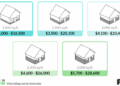
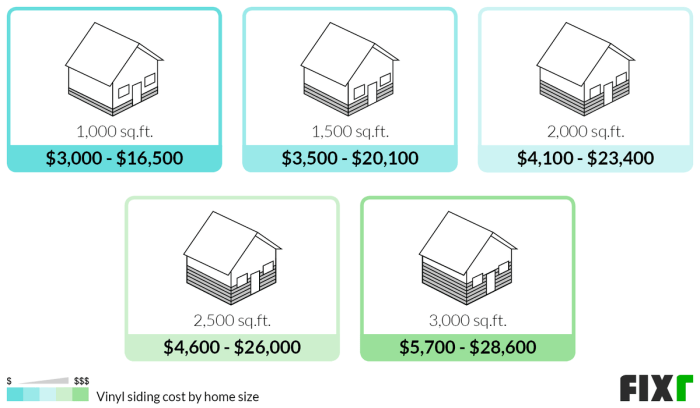
When considering the average cost to vinyl side a house per square foot, it is essential to research and compare prices across different regions to get a clear understanding of the overall expenses involved. Factors such as labor costs, material prices, and project complexity can significantly impact the final cost.Creating a table to showcase the average cost range based on the size of the house can provide a helpful overview for homeowners looking to budget for their siding project.
This can give a rough estimate of the total expenditure based on the square footage of the property.
Regional Price Comparison
In this section, we will delve into the average cost estimates for vinyl siding based on different regions. By comparing prices in various areas, homeowners can gain insight into the potential expenses they may incur when undertaking a siding project.
Project Complexity Impact
The complexity of the project can have a direct influence on the final price of vinyl siding installation. Factors such as the shape of the house, the number of corners, the need for additional trim work, and any unique architectural features can all contribute to a higher overall cost.
It is essential for homeowners to consider these elements when planning their siding project to ensure an accurate budget and avoid unexpected expenses.
Labor Costs
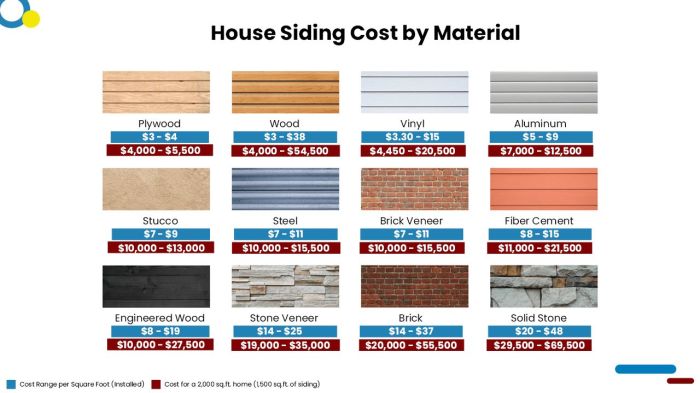
When it comes to vinyl siding installation, labor costs play a significant role in determining the overall cost per square foot.
Breakdown of Labor Costs
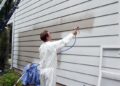
- Preparation: This includes removing old siding, preparing the surface, and ensuring it is ready for the new vinyl siding. Labor costs for this stage can vary based on the condition of the existing siding.
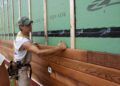
- Installation: Skilled labor is required to properly install the vinyl siding, ensuring it is done correctly and will last for years to come. Labor costs for installation can depend on the complexity of the job and the experience of the workers.
- Finishing touches: After the installation is complete, labor costs may include finishing touches such as caulking, trim work, and cleaning up the work area.
Comparison: DIY vs Hiring Professionals
- DIY: While some homeowners may attempt to install vinyl siding themselves to save on labor costs, it is important to consider the risks involved. Improper installation can lead to costly repairs down the line.
- Hiring Professionals: Hiring skilled professionals for vinyl siding installation ensures that the job is done right the first time. While this may come at a higher labor cost, it can save money in the long run by avoiding potential issues.
Importance of Skilled Labor
Skilled labor is crucial for a successful vinyl siding installation. Professionals have the experience and knowledge to handle the job efficiently and effectively, minimizing the risk of errors and ensuring a high-quality finish. Investing in skilled labor can ultimately save time and money by avoiding the need for repairs or replacements in the future.
Material Costs
When it comes to vinyl siding materials, there are different options available in the market to consider. The choice of material can significantly impact the overall cost of siding a house. In this section, we will analyze the different types of vinyl siding materials, compare the costs between premium and standard options, and discuss how the durability and maintenance requirements of materials can affect long-term expenses.
Types of Vinyl Siding Materials
Vinyl siding materials come in various types, including standard vinyl siding, insulated vinyl siding, and premium vinyl siding. Standard vinyl siding is the most common and affordable option, while insulated vinyl siding offers additional energy efficiency benefits. Premium vinyl siding, on the other hand, is more expensive but provides superior durability and aesthetic appeal.
Cost Comparison
When comparing the costs of premium vinyl siding with standard options, it’s important to consider factors such as material quality, thickness, and design. Premium vinyl siding typically costs more upfront but can offer better long-term value due to its durability and low maintenance requirements.
Standard vinyl siding may be cheaper initially, but it may require more frequent repairs and replacements over time, leading to higher overall costs.
Durability and Maintenance Impact
The durability of vinyl siding materials can have a significant impact on long-term costs. Premium vinyl siding is often more durable and resistant to damage from weather and pests, reducing the need for repairs or replacements. Additionally, materials that require less maintenance, such as premium vinyl siding, can save homeowners money on upkeep and prolong the lifespan of the siding.
Last Word
In conclusion, understanding the cost to vinyl side a house per square foot is essential for anyone considering this home improvement project. By examining various factors such as labor costs, material costs, and average estimates, homeowners can make informed decisions to achieve the desired results within their budget.
Commonly Asked Questions
What factors influence the cost of vinyl siding per square foot?
Factors such as material quality, labor costs, and complexity of the project can impact the overall cost of vinyl siding.
How do labor costs vary between professional installation and DIY?
Professional installation typically incurs higher labor costs compared to DIY, but the expertise and efficiency of professionals can ensure a successful outcome.
What are the different types of vinyl siding materials available in the market?
Vinyl siding materials range from standard options to premium choices, each with varying durability and maintenance requirements that can affect long-term costs.