
With contemporary interior design at the forefront, this paragraph opens a window to an amazing start and intrigue, inviting readers to embark on a storytelling filled with unexpected twists and insights.
Contemporary interior design is a captivating blend of modern aesthetics and functionality that shapes living spaces into stylish yet practical environments. As we delve deeper into this design realm, we uncover key elements, color schemes, furniture arrangements, and more that define the essence of contemporary interiors.
Definition of Contemporary Interior Design
Contemporary interior design refers to the style of decorating that is current, trendy, and of the moment. It is constantly evolving to reflect the popular styles and design trends of the present day. Unlike traditional or classic interior design styles, contemporary design is more fluid and flexible, allowing for a mix of different elements and influences.
Key Characteristics of Contemporary Interior Design
- Minimalism: Contemporary design often emphasizes clean lines, open spaces, and a lack of clutter. Minimalist furniture and simple color palettes are commonly used to create a sleek and uncluttered look.
- Neutral Colors: Neutral colors such as white, beige, gray, and black are frequently used in contemporary design to create a sense of calm and sophistication.
- Mix of Materials: Contemporary interiors often feature a mix of materials such as glass, metal, and wood to add texture and visual interest.
- Focus on Functionality: Functionality is key in contemporary design, with furniture and decor serving both a practical purpose and an aesthetic one.
- Open Floor Plans: Contemporary interiors typically feature open floor plans that encourage flow and connectivity between spaces.
Importance of Functionality and Minimalism in Contemporary Design
Contemporary interior design places a strong emphasis on functionality, ensuring that every element serves a purpose and contributes to the overall usability of the space. This focus on functionality helps create interiors that are not only visually appealing but also practical and comfortable for everyday living.Minimalism, on the other hand, plays a crucial role in contemporary design by promoting simplicity, clarity, and a sense of calm.
By eliminating excess and unnecessary clutter, minimalist principles help create spaces that feel open, airy, and inviting. The use of minimalism in contemporary design also allows for a greater emphasis on the quality of materials and finishes, resulting in a more refined and elegant aesthetic.
Color Schemes and Materials
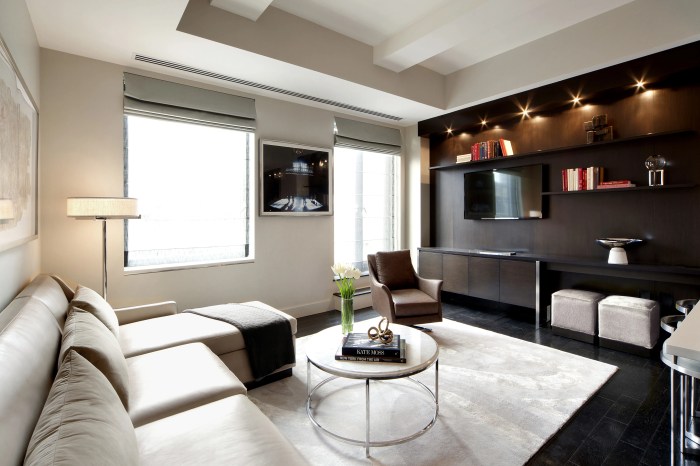
Contemporary interior design often features a neutral color palette with pops of bold colors to create a visually appealing and cohesive space. The color schemes used in contemporary design are typically muted tones like whites, grays, and beiges, combined with vibrant hues such as deep blues, greens, or yellows.
Materials in Contemporary Design
In contemporary interior design, materials play a crucial role in creating a sleek and modern aesthetic. Commonly used materials include:
- Glass: Glass is a popular material in contemporary design for its ability to reflect light and create a sense of openness. It is often used for windows, doors, and decorative accents.
- Metal: Metals like stainless steel, chrome, and brass are frequently used in contemporary interiors to add a touch of sophistication and industrial flair. Metal finishes are commonly found in fixtures, furniture, and accessories.
- Concrete: Concrete is a versatile material that is often used in contemporary design to add an element of texture and modernity. It can be seen in countertops, flooring, and accent walls.
The Role of Natural Light
Natural light is essential in enhancing contemporary interiors as it helps to create a sense of spaciousness and airiness. Large windows, skylights, and open floor plans are common features in contemporary design to maximize the entry of natural light. Additionally, the use of light-colored materials and reflective surfaces can help bounce light around the space, making it feel brighter and more inviting.
Furniture and Layout
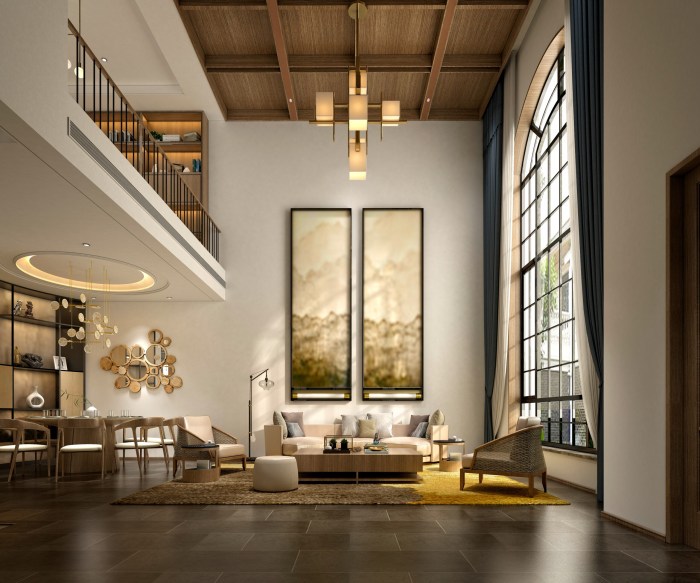
When it comes to contemporary interior design, furniture selection plays a crucial role in shaping the overall aesthetic and functionality of the space. The right furniture pieces can enhance the modern and sleek look that characterizes contemporary design.
Open Floor Plans
Open floor plans are a key element in contemporary spaces as they promote a sense of flow and connectivity throughout the area. By removing barriers between rooms, open floor plans create a spacious and airy environment that is perfect for contemporary design.
Furniture Styles
Here are some furniture styles that complement contemporary design aesthetics:
- Minimalist Furniture: Clean lines, simple forms, and a focus on functionality are hallmarks of minimalist furniture that work well in contemporary spaces.
- Mid-Century Modern: With its retro yet timeless appeal, mid-century modern furniture adds a touch of sophistication to contemporary interiors.
- Sleek and Modular: Furniture pieces that are sleek, modular, and multifunctional are ideal for contemporary design, as they offer versatility and practicality.
- Neutral Colors and Materials: Opt for furniture in neutral colors such as white, black, gray, or beige, paired with materials like metal, glass, and wood to create a cohesive and modern look.
Decorative Elements and Accessories
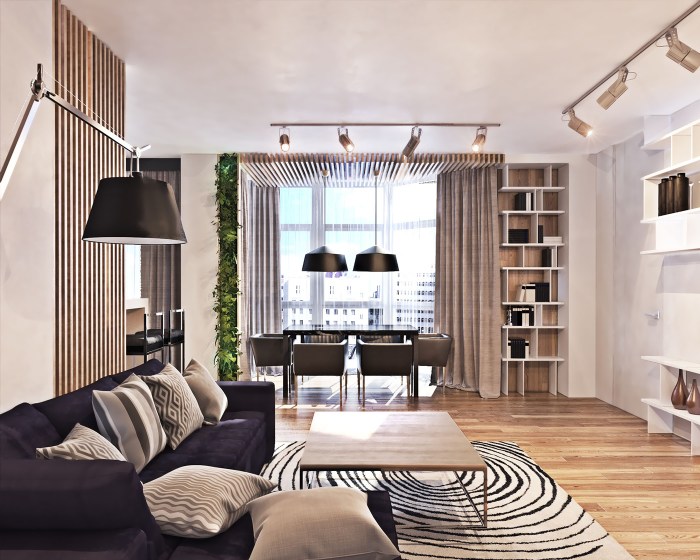
Decorative elements and accessories play a crucial role in enhancing the overall look and feel of contemporary interiors. From artwork to lighting to textiles, each element adds depth, personality, and style to a space.
Incorporating Technology
In contemporary interior design, technology seamlessly blends in with the aesthetic, offering both functionality and style. Consider incorporating smart home devices, hidden charging stations, or sleek entertainment systems that complement the modern look of the space.
Choosing Accessories
When selecting accessories for a contemporary interior, opt for pieces that are minimalistic yet impactful. Look for items with clean lines, geometric shapes, and a neutral color palette to maintain a cohesive and modern aesthetic. Consider incorporating statement pieces like bold sculptures, unique light fixtures, or abstract artwork to add visual interest to the space.
End of Discussion
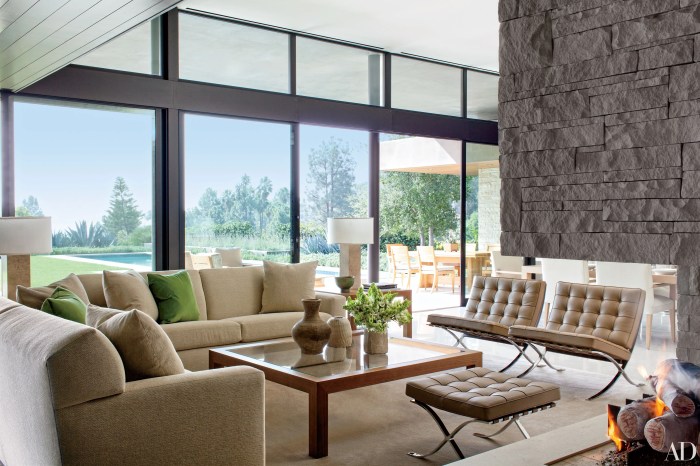
In conclusion, contemporary interior design offers a refreshing perspective on modern living, emphasizing simplicity, functionality, and aesthetic appeal. From color schemes to furniture choices, every aspect of contemporary design contributes to creating harmonious and inviting spaces that reflect the essence of today's lifestyle.
Dive into the world of contemporary interior design and transform your living spaces into chic and sophisticated retreats.
FAQ Guide
What sets contemporary interior design apart from other styles?
Contemporary interior design focuses on clean lines, minimalism, and functionality, distinguishing it from traditional and vintage styles.
How important is natural light in contemporary interiors?
Natural light is crucial in contemporary design as it enhances the overall ambiance, creates a sense of spaciousness, and highlights key design elements.
What are some popular materials used in contemporary interior design?
Materials like glass, metal, concrete, and wood are commonly used in contemporary design to create a sleek and modern look.
How can technology be seamlessly incorporated into contemporary design?
Technology can be integrated through smart home systems, hidden outlets, and innovative lighting solutions to maintain the clean aesthetic of contemporary interiors.
What role does furniture play in contemporary interior design?
Furniture in contemporary design should be sleek, functional, and complement the overall design aesthetic, emphasizing a sense of space and simplicity.