Spa interior design sets the stage for a captivating experience, where ambiance, color schemes, natural elements, layout, furniture arrangements, lighting, materials, textures, and modern wellness technologies all come together to create a luxurious and tranquil environment. Dive into the world of spa interior design and discover the secrets to designing a space that rejuvenates the body and soul.
As we delve deeper into each aspect of spa interior design, you’ll uncover the intricacies of creating a sanctuary that not only delights the senses but also promotes holistic well-being.
Conceptualizing Spa Interior Design
Ambiance plays a crucial role in creating a tranquil and rejuvenating experience for spa visitors. The overall feel of a spa, including lighting, scents, and decor, contributes to the ambiance and helps guests relax and unwind.
The Role of Color Schemes
Color schemes are essential in setting the tone for a spa environment. Soft, neutral colors like pastels and earth tones are often used to create a calming atmosphere. Blues and greens are also popular choices as they are known for their soothing properties.
Warm colors like oranges and reds can be used to add a touch of energy to specific areas within the spa.
Incorporating Natural Elements
Natural elements such as wood, stone, plants, and water features can be incorporated into spa design to enhance the connection to nature and promote relaxation. Indoor plants not only add a pop of color but also improve air quality. Water features like fountains or small ponds can create a sense of tranquility and peace.
Additionally, using natural materials like bamboo or stone in decor elements can further enhance the overall spa experience.
Layout and Spatial Organization
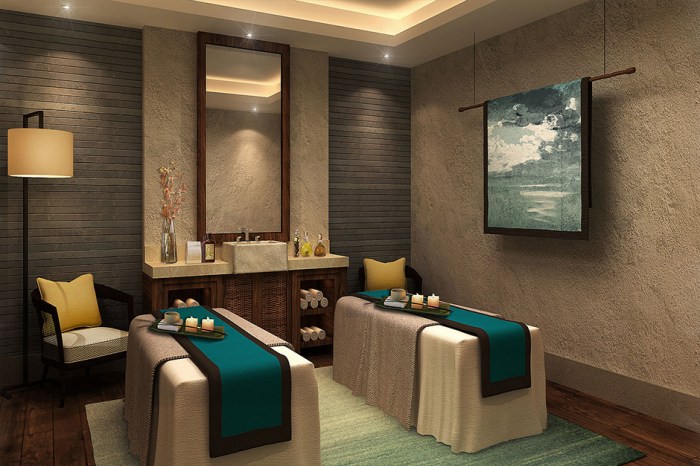
When designing the layout of a spa, there are several key factors to consider to ensure a relaxing and inviting environment for clients. The spatial organization plays a crucial role in creating a harmonious flow and atmosphere within the spa.
Furniture Arrangements for Relaxation
One important aspect of spa design is the arrangement of furniture to promote relaxation. Placing comfortable lounge chairs in quiet corners, creating cozy nooks with soft cushions, and incorporating soothing colors and textures can all contribute to a calming ambiance.
For example, a relaxation area with reclining chairs facing a serene view or a cozy fireplace can help clients unwind and destress.
Significance of Lighting Placement
Lighting plays a significant role in enhancing the spa experience. Soft, warm lighting can create a cozy and inviting atmosphere, while natural light can help connect clients with the outdoors and promote a sense of serenity. Strategic placement of lighting fixtures, such as dimmers, sconces, and candles, can help adjust the mood and ambiance in different areas of the spa.
Proper lighting can also highlight architectural features, artwork, and decorative elements, adding to the overall aesthetic appeal of the space.
Material Selection and Textures
When it comes to designing a spa interior, the choice of materials and textures plays a crucial role in creating a serene and luxurious atmosphere for guests to relax and unwind. The right selection can enhance the overall feel of the space, contributing to a sense of comfort and tranquility.
Types of Materials
- Wood: Wood is a popular choice for spa interiors due to its natural and warm aesthetic. It can create a sense of harmony and relaxation, especially when used in elements like flooring, furniture, and wall accents.
- Stone: Natural stones such as marble, granite, and travertine are often used in spas for their elegance and durability. They can add a touch of luxury and sophistication to the space, particularly in features like countertops, sinks, and accent walls.
- Glass: Glass is commonly incorporated into spa designs to promote a sense of openness and light. It can be used for windows, doors, partitions, and decorative elements to create a modern and airy ambiance.
Effects of Different Textures
- Smooth textures: Smooth surfaces like polished wood or glossy tiles can convey a sense of refinement and cleanliness. They can also reflect light, creating a bright and inviting atmosphere.
- Rough textures: Textures such as rough stone or textured fabrics can add depth and tactile interest to the space. They can evoke a natural and organic feel, enhancing the overall sensory experience for guests.
- Soft textures: Soft materials like plush upholstery, silk drapes, and fluffy rugs can contribute to a cozy and inviting atmosphere. They create a sense of comfort and warmth, inviting guests to relax and unwind.
Contribution to Luxury and Comfort
The choice of materials in spa interior design is essential for creating a luxurious and comfortable environment. High-quality materials like natural woods, luxurious stones, and fine fabrics can elevate the space, making guests feel pampered and indulged. The right textures can enhance the sensory experience, providing a tactile and visual appeal that adds to the overall feeling of relaxation and well-being.
Integrating Wellness Technologies
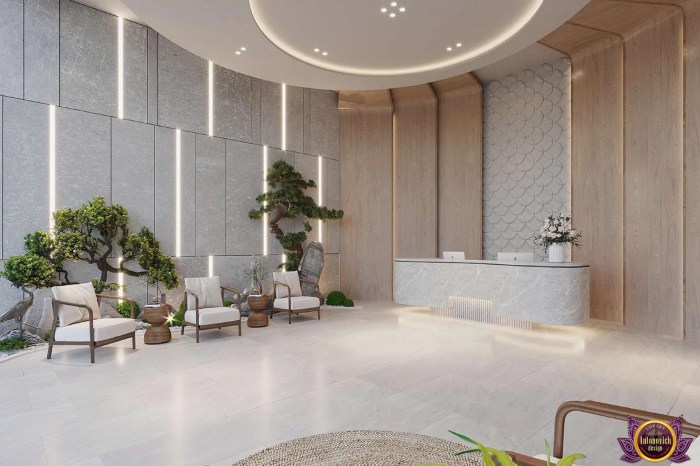
As technology continues to advance, the spa industry has embraced various wellness technologies to enhance the overall spa experience. These modern innovations not only elevate the ambiance of spa interiors but also contribute to the well-being of spa-goers.
Smart Lighting Systems
One of the key technologies that can enhance the spa experience is the integration of smart lighting systems. These systems allow for customized lighting schemes that can create different atmospheres based on the treatment or mood. For example, soft warm lighting can promote relaxation during massages, while bright cool lighting can energize guests during facials or body treatments.
Aromatherapy Diffusers
Aromatherapy diffusers are another popular wellness technology that can be incorporated into spa interiors. These devices disperse essential oils into the air, creating a soothing and therapeutic ambiance. By selecting specific scents known for their relaxing or invigorating properties, spas can enhance the overall sensory experience for guests.
Sound Therapy Systems
Sound therapy systems have also become a staple in modern spa designs. These systems utilize soothing sounds or music to promote relaxation and reduce stress. By incorporating sound therapy technologies, spas can create a tranquil environment where guests can unwind and escape from the hustle and bustle of everyday life.
Last Word
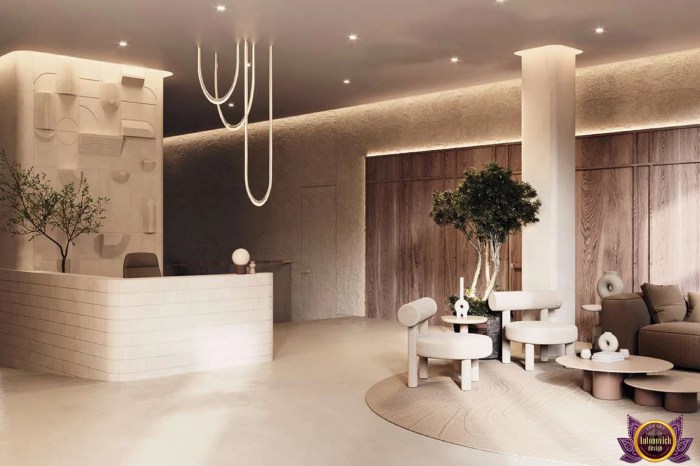
Embark on your journey to transforming ordinary spaces into extraordinary retreats with the knowledge gained from exploring the nuances of spa interior design. Elevate your design skills and immerse yourself in the art of crafting serene environments that nurture the mind, body, and spirit.
Q&A
What role does ambiance play in spa interior design?
Ambiance sets the tone for a spa, creating a tranquil and inviting atmosphere that enhances the overall experience for visitors.
How can natural elements be incorporated into spa design?
Natural elements like plants, water features, and natural light can be seamlessly integrated into spa design to evoke a sense of serenity and connection to the environment.
What are the key factors to consider when designing the layout of a spa?
Factors such as flow of movement, privacy, and functionality are crucial when planning the layout of a spa to ensure a seamless and enjoyable experience for clients.
How do different textures impact the feel of a spa?
Textures can evoke different sensations in a spa, with soft textures promoting comfort and relaxation, while rough textures can add a tactile element and visual interest to the space.
What benefits do wellness technologies bring to spa interiors?
Wellness technologies can enhance the spa experience by offering innovative solutions for relaxation, rejuvenation, and overall well-being, creating a modern and holistic environment for visitors.