Home siding contractors near me introduce a crucial aspect of home improvement, where quality meets convenience. This comprehensive guide dives into the world of siding contractors, offering insights into their services, materials, costs, and hiring tips.
Research on Home Siding Contractors
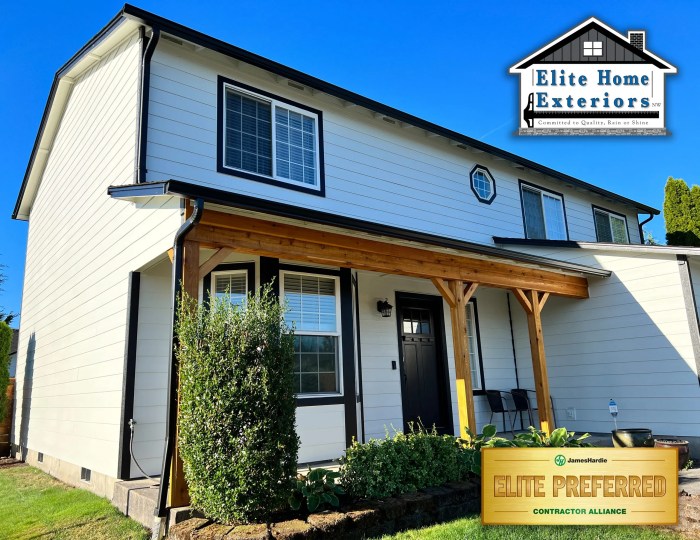
When looking for home siding contractors near you, it is important to conduct thorough research to ensure you choose a reputable and reliable contractor for your home improvement project. By comparing the services offered by different contractors and considering customer reviews and ratings, you can make an informed decision on who to hire for the job.
Identify Reputable Home Siding Contractors
- Check online directories and websites for a list of home siding contractors in your area.
- Ask for recommendations from friends, family, or neighbors who have recently had siding work done.
- Verify the contractor’s licensing and insurance to ensure they are qualified to work on your home.
Compare Services Offered by Different Contractors
- Request quotes from multiple contractors to compare pricing and services included.
- Consider the materials and products offered by each contractor to ensure they meet your preferences and budget.
- Inquire about the timeline for the project and the warranty or guarantee provided by each contractor.
Discuss Customer Reviews and Ratings for Various Contractors
- Read online reviews on platforms like Google, Yelp, and Angie’s List to see what past customers have to say about their experiences with the contractor.
- Look for contractors with high ratings and positive feedback from satisfied customers.
- Avoid contractors with multiple negative reviews or complaints regarding their work quality or professionalism.
Types of Home Siding Materials
When it comes to choosing the right siding material for your home, there are several options to consider. Each type of siding material comes with its own set of pros and cons, as well as specific maintenance requirements and durability factors.
Vinyl Siding
Vinyl siding is one of the most popular choices among homeowners due to its affordability and low maintenance requirements. It is available in a wide range of colors and styles, making it a versatile option for many homes. However, vinyl siding may crack or fade over time, and it is not as durable as some other materials.
Fiber Cement Siding
Fiber cement siding is a durable and low-maintenance option that is resistant to rot, fire, and termites. It can mimic the look of wood or stucco, providing a high-end appearance for your home. However, fiber cement siding can be more expensive than other materials, and it may require professional installation.
Wood Siding
Wood siding offers a natural and timeless look for your home, with options like cedar, pine, and redwood available. Wood siding can be painted or stained to match your desired aesthetic, but it does require regular maintenance to prevent rot, mold, and insect damage.
Additionally, wood siding is susceptible to fire and may be more costly than other materials.
Aluminum Siding
Aluminum siding is known for its durability and resistance to harsh weather conditions. It is lightweight and easy to install, making it a popular choice for many homeowners. However, aluminum siding can dent easily and may require repainting over time to maintain its appearance.
Brick Siding
Brick siding is a durable and long-lasting option that adds a classic and elegant look to your home. It is resistant to fire, rot, and insect damage, making it a low-maintenance choice for many homeowners. However, brick siding can be expensive to install and may require professional assistance due to its weight and complexity.
Cost Estimation for Siding Installation
When it comes to siding installation, the cost can vary depending on various factors such as materials used, size of the project, and labor costs. It is essential to understand the different aspects that influence the overall cost to make an informed decision.
Siding Materials and Installation Costs Comparison
| Siding Material | Average Cost per Square Foot | Installation Cost per Square Foot |
|---|---|---|
| Vinyl | $1-$7 | $3-$8 |
| Fiber Cement | $5-$12 | $6-$12 |
| Wood | $6-$15 | $8-$16 |
| Brick | $6-$15 | $10-$20 |
Factors Influencing Cost of Siding Installation
- Size of the project: Larger projects tend to cost more due to increased material and labor requirements.
- Choice of materials: Different siding materials come with varying price ranges, affecting the overall cost.
- Location: Labor costs can vary based on the region where the installation takes place.
- Additional features: Adding extra details like trim work or insulation can add to the total cost.
Cost-Saving Tips When Hiring Home Siding Contractors
- Get multiple quotes: Compare quotes from different contractors to find the most competitive pricing.
- Consider off-season installations: Contractors may offer discounts during slower months.
- Opt for efficient materials: Choose siding materials that are durable and require minimal maintenance to save on long-term costs.
- Bundle services: If you have other home improvement projects, consider bundling them with your siding installation for potential discounts.
Hiring the Right Home Siding Contractor
When it comes to hiring a home siding contractor, it’s crucial to take the necessary steps to ensure you’re working with a reputable and qualified professional. Verifying credentials, checking licenses, and establishing clear contracts are all essential aspects of the process.
Verifying Credentials and Licenses
Before hiring a home siding contractor, make sure to verify their credentials and licenses. This can help you ensure that they have the necessary training and expertise to handle your siding installation project.
- Check if the contractor is licensed and insured to work in your area.
- Ask for references from previous clients to get an idea of the contractor’s work quality.
- Verify the contractor’s credentials with relevant industry associations or organizations.
Checklist for Homeowners
Creating a checklist can help homeowners evaluate potential siding contractors effectively. Here are some key points to include in your checklist:
- Evaluate multiple contractors and compare their quotes and services.
- Check online reviews and ratings to gauge customer satisfaction.
- Inquire about the contractor’s experience with the specific type of siding you want.
- Ensure the contractor provides a detailed written estimate outlining all costs and timelines.
Importance of Written Contracts and Warranties
When hiring a home siding contractor, it’s essential to have a written contract in place to protect both parties. A contract should include details such as:
- Scope of work to be completed
- Materials to be used
- Project timeline and deadlines
- Payment schedule
Having a written contract can help prevent misunderstandings and ensure that both parties are clear on their responsibilities and expectations.
Outcome Summary
In conclusion, navigating the realm of home siding contractors near me is now more manageable with the knowledge gained from this guide. Whether you’re exploring siding options or seeking the right contractor, this resource equips you with the essential information to make informed decisions.
Quick FAQs
How can I find reputable home siding contractors near me?
You can start by asking for recommendations from neighbors, friends, or checking online directories for top-rated contractors in your area.
What are some popular siding materials used by contractors?
Common siding materials include vinyl, wood, fiber cement, and metal. Each material has its own set of pros and cons.
How can I estimate the cost of siding installation?
Cost estimation involves considering the type of material, labor costs, additional services, and any potential customization you might require.
What should I look for when hiring the right home siding contractor?
Verify their credentials, licenses, check customer reviews, ask about warranties, and ensure everything is clearly Artikeld in a written contract.