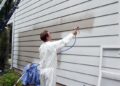
Delve into the world of Portland siding replacement as we explore the crucial aspects of this home improvement project. From the importance of timely replacements to the various siding materials available, this comprehensive guide aims to provide valuable insights for homeowners looking to enhance their property’s curb appeal.
Importance of Siding Replacement
Timely siding replacement is crucial for maintaining the structural integrity and aesthetics of a home.
Potential Consequences of Delaying Siding Replacement
Delaying siding replacement can lead to issues such as water damage, mold growth, and decreased energy efficiency.
Enhancing Curb Appeal with Siding Replacement
Replacing old or damaged siding can significantly enhance the curb appeal of a property, increasing its value and attractiveness to potential buyers.
Types of Siding Materials
When it comes to siding replacement, there are several types of materials to choose from. Each material has its own set of pros and cons, durability, and maintenance requirements. Let’s explore some of the popular siding materials available in the market.
Vinyl Siding
Vinyl siding is one of the most commonly used materials for siding replacement. It is known for its affordability, low maintenance, and versatility in terms of colors and styles. However, vinyl siding may not be as durable as other materials and can crack or fade over time.
Wood Siding
Wood siding provides a classic and natural look to a home. It is environmentally friendly and can be easily painted or stained to match the desired aesthetic. On the downside, wood siding requires regular maintenance such as painting, staining, and sealing to prevent rot, mold, and insect damage.
Fiber Cement Siding
Fiber cement siding is a popular choice for homeowners looking for a durable and low-maintenance option. It is resistant to fire, rot, and insects, making it a long-lasting choice. However, fiber cement siding can be more expensive than other materials and may require professional installation.
Metal Siding
Metal siding, such as aluminum or steel, is known for its strength and durability. It is resistant to fire, rot, and insects, and can last for many years with minimal maintenance. However, metal siding can dent easily and may not offer as much insulation as other materials.
Hiring a Siding Contractor
When it comes to replacing your siding, hiring a reputable contractor is crucial to ensure a successful and stress-free project. Here are some tips to help you choose the right siding contractor for your needs.
Checking Licenses, Insurance, and References
Before hiring a siding contractor, make sure to verify their licenses and insurance to protect yourself and your property. A licensed contractor will have the necessary qualifications to perform the work, while insurance will provide coverage in case of any accidents or damages during the project.
Additionally, ask for references from past clients to get an idea of their work quality and reliability.
Obtaining Multiple Quotes and Evaluating Proposals
It’s always a good idea to get multiple quotes from different siding contractors to compare prices and services. When evaluating proposals, make sure to look beyond the cost and consider factors such as the materials used, project timeline, warranties offered, and any additional services provided.
Choose a contractor who offers a detailed and transparent proposal that meets your expectations and budget.
Cost Factors and Budgeting
When planning for a siding replacement project, it is essential to consider various cost factors to ensure an accurate budgeting process. Understanding the components that contribute to the overall cost can help you plan effectively and make informed decisions.
Cost Factors Involved in Siding Replacement
- Material Costs: The type of siding material you choose will significantly impact the overall cost of the project. Different materials come with varying price points, so it’s essential to research and compare options.
- Labor Costs: Hiring a professional siding contractor will incur labor costs, which can vary based on the size of the project, the complexity of the installation, and the contractor’s rates.
- Additional Supplies: In addition to siding materials, there may be other supplies needed for the installation process, such as insulation, fasteners, and trim pieces.
- Permit Fees: Depending on your location, you may need to obtain permits for the siding replacement project, which can add to the overall cost.
- Removal and Disposal Costs: If you are replacing existing siding, there will be costs associated with removing and disposing of the old materials.
Effective Budgeting for Siding Replacement
- Evaluate Your Needs: Determine the scope of the project and the specific requirements to accurately estimate costs.
- Get Multiple Quotes: Obtain quotes from different siding contractors to compare prices and services offered.
- Allocate Contingency Funds: Set aside a portion of your budget for unexpected expenses or changes during the project.
- Consider Financing Options: If the upfront cost is a concern, explore financing options such as loans or payment plans to spread out the expenses.
Cost-Saving Measures for Siding Replacement
- DIY Options: If you have the necessary skills and tools, consider taking on some of the tasks yourself to reduce labor costs.
- Choose Cost-Effective Materials: Opt for siding materials that offer durability and aesthetics at a reasonable price point.
- Timing: Schedule the project during off-peak seasons when contractors may offer discounts or promotions.
- Maintain Your Siding: Regular maintenance and care can prolong the lifespan of your siding, reducing the need for frequent replacements.
Siding Replacement Process
When it comes to a siding replacement project, there are several important steps that need to be followed to ensure a successful outcome. Proper preparation work, installation techniques, and quality control are crucial aspects of the process.
Preparation Work
Before the siding installation begins, it is essential to prepare the area properly. This may include removing any existing siding, repairing any damaged areas of the wall, and ensuring that the surface is clean and free of debris. Proper preparation work is crucial to ensure that the new siding is installed correctly and will last for many years to come.
Installation Techniques and Quality Control
During the siding replacement process, it is important to use proper installation techniques to ensure that the siding is installed correctly. This may include ensuring that the siding is properly aligned, nailed securely in place, and properly sealed to prevent water damage.
Quality control checks should also be carried out throughout the process to ensure that the siding is being installed correctly and that any issues are addressed promptly.
Maintenance and Care Tips
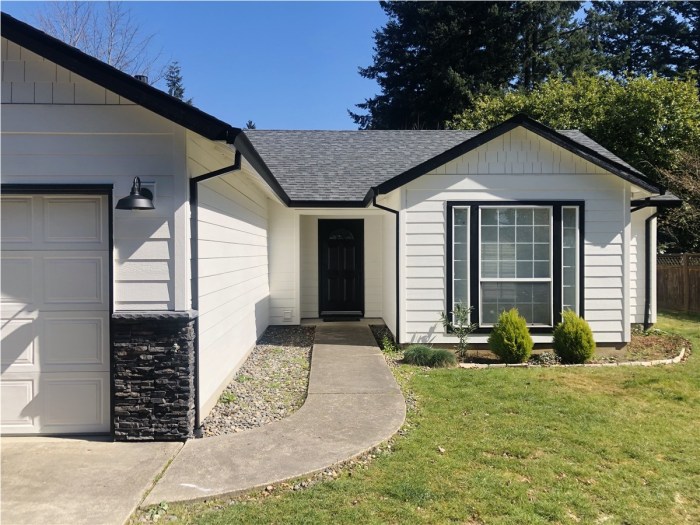
Proper maintenance and care are essential to ensure the longevity and appearance of your newly replaced siding. By following these tips, you can protect your investment and keep your home looking its best.
Identifying Signs of Damage or Wear
After the siding replacement, it’s crucial to regularly inspect the siding for any signs of damage or wear. Look out for cracks, warping, discoloration, or loose panels. These could indicate underlying issues that need to be addressed promptly to prevent further damage.
Cleaning and Preserving Siding Materials
Different types of siding materials require specific cleaning and maintenance techniques to preserve their appearance and functionality. Here are some recommendations for cleaning and preserving common siding materials:
- Vinyl Siding:Clean with a mixture of water and mild detergent using a soft brush or cloth. Rinse thoroughly with water to remove any residue.
- Fiber Cement Siding:Use a soft brush or low-pressure water spray to remove dirt and debris. Avoid using abrasive tools that could damage the surface.
- Wood Siding:Regularly inspect for mold, mildew, or rot. Clean with a solution of water and bleach to remove mold and mildew, and consider applying a protective sealant to prevent moisture damage.
- Metal Siding:Clean with a solution of water and mild detergent. Inspect for rust or corrosion, and treat affected areas with a rust-inhibiting primer and paint.
Closing Summary
In conclusion, Portland siding replacement is not just a maintenance task but a significant investment in your home’s aesthetics and structural integrity. By understanding the process, materials, and costs involved, you can make informed decisions to transform your property. Let’s embark on this journey towards a more beautiful and resilient home with expert siding replacement guidance.
User Queries
What are the benefits of timely siding replacement?
Timely siding replacement prevents further damage to your home’s structure and enhances its appearance, increasing property value.
Which siding material offers the best durability?
Fiber cement siding is known for its exceptional durability and low maintenance requirements compared to other materials.
How can I choose a reliable siding contractor?
Look for contractors with proper licenses, insurance, and good references. Obtain multiple quotes and evaluate proposals before making a decision.